
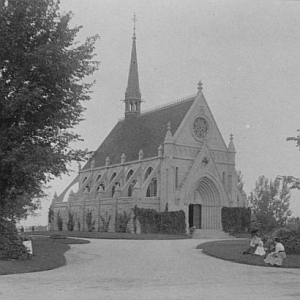
Growing up in the rose business and living in southeast Denver, I had always known about Fairmount Cemetery and its famous rose collection. Yet, interestingly, I never actually visited the cemetery until much later in life. As a teenager, Fairmount was more often a place where people went to learn how to drive than a place to explore. There was something about it that always seemed a little off limits. At one point I lived only a few blocks away and still never ventured inside with any real purpose.
All of that changed when, in a bit of a midlife crisis, I began training for a marathon. The running trails around my house all seemed to cross and wind through the cemetery. One of my favorite regular training routes made a tour of the monuments, mausoleum, and chapels in the cemetery. Over the course of many months and countless miles, I began paying attention to the environment around me. The landscape was teeming with life. Foxes, coyotes, and deer roamed among an extraordinary collection of trees and, of course, roses.
When I returned to the rose business in 2011, I developed a much deeper connection to these plants through High Country Roses’ longstanding partnership with the Fairmount Heritage Foundation and its efforts to preserve the cemetery’s historic roses.
Fairmount Cemetery was founded in 1890 on the southeastern edge of Denver. At that time, Denver could accurately be described as a cow town, a mining town, or even a frontier outpost. It was certainly not the bustling metropolis or cultural center it would later become. That makes Fairmount all the more remarkable. Covering 280 acres, the cemetery was designed by Reinhard Schuetze, a German immigrant and Colorado’s first landscape architect. During the first two years, he planted more than 4,000 trees and shrubs, creating what would become Colorado’s largest and most diverse arboretum.
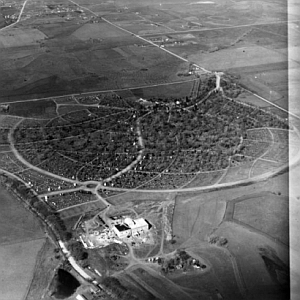
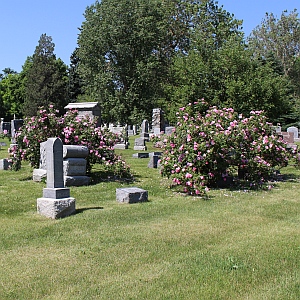
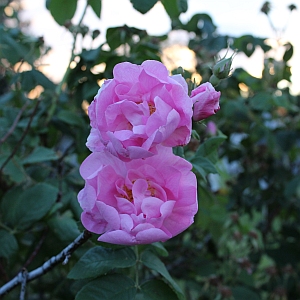
Schuetze loved roses and his landscape designs, not only incorporated them, but placed them as focal points. Original landscape supply records show that he purchased nearly 400 rose plants to establish the collection. In the decades that followed, families of those buried at Fairmount added even more roses to the grounds. Roses became a way to memorialize loved ones. Many were planted directly beside headstones, each one telling a story and reflecting the deep affection felt for the person buried there.
This is where the rose part of the story becomes especially fascinating.
While we have some clues about the roses’ identity from Schuetze’s records, the vast majority of the roses growing at Fairmount have lost their names entirely. Varieties planted by Victorian era families more than a century ago often have no labels, records, or documented history linking them back to a catalog or nursery. Rose enthusiasts refer to these plants as “found roses,” and they are treasured for both their beauty and their mystery.
Found roses often take a study name that corresponds to the headstone they are growing near. These roses have persevered for decades with limited care, intermittent irrigation, harsh winters, and Colorado’s challenging climate. They have endured where many modern roses would have failed. In many ways, they are emblematic of the people and region they represent. Tough, resilient, and enduring.
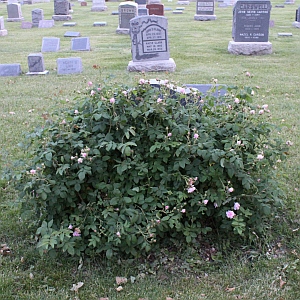
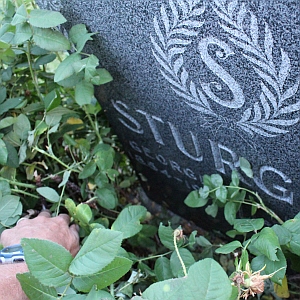
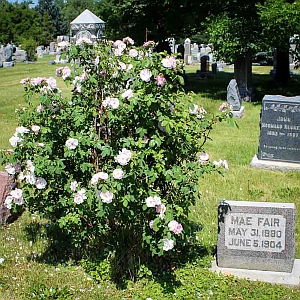
In the 1980s, a group of dedicated Denver rosarians entered the cemetery with the goal of cataloging and mapping the many roses growing throughout the grounds. Among them was High Country Roses founder Dr. William A. Campbell. He was joined by noted rosarians Toni Tishy, Michael Mowry, John Starnes, Peter Beales and many others.
The group carefully documented bloom shape, petal count, plant size, leaf characteristics, and growth habits in an effort to identify individual varieties. While there was often disagreement about specific identifications, they were ultimately able to document roughly 70 distinct varieties growing throughout the cemetery. Countless others remained unidentified and continued to be known only by their found names.
A Fairmount employee named JoAn Cullen took the preservation effort a step further. In 1995, she formally established the Heritage Rose Garden to bring order to the beautiful chaos. Rare and historically significant roses were gathered into a central location where they could be better cared for, studied, and preserved.
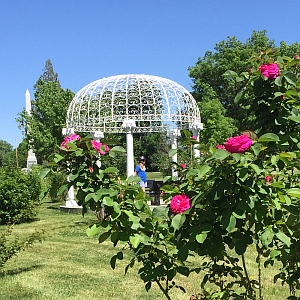
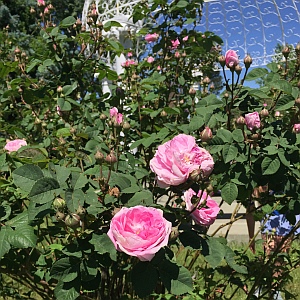
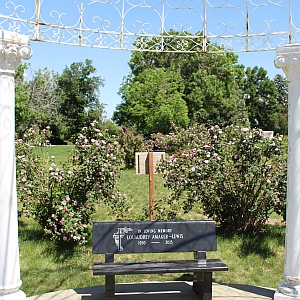
The location chosen for the garden carries special significance. It is the resting place of hundreds of relocated and unmarked remains belonging to Denver residents who died during cholera outbreaks in the 1860s. Today, the rose garden and its central gazebo serve as a fitting memorial to these early pioneers.
In parallel to the relocation efforts, The Fairmount Heritage Foundation began taking steps to ensure the long-term preservation of these special roses by having them propagated and brought back into commerce. The vision was for an annual rose sale featuring the Fairmount varieties with the proceeds funding future preservation efforts.
My step-sister Heather Campbell was running High Country Roses at the time and enthusiastically embraced the project. We began by propagating six varieties from Fairmount Cemetery. Among them was Fairmount Red, a striking found rose that remains one of the collection’s favorites. Another is Fairmount Proserpine, a fragrant deep fuchsia Bourbon rose named in honor of the Roman goddess of springtime. The name feels especially appropriate for a flower that reliably emerges from the ground year after year.
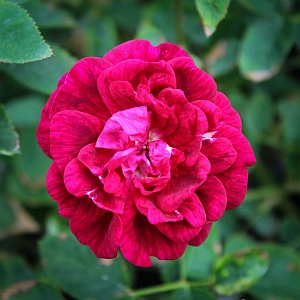
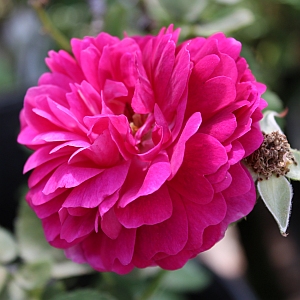
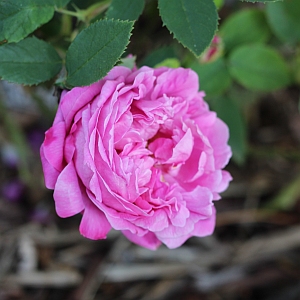
Other notable varieties include JoAn’s Pink Perpetual, Mae Fair Pink, Beulah Blakley, and the Fairmount Semi Double. Each carries a unique history and connection to the cemetery.
Over the years, we have maintained and strengthened our relationship with the Fairmount Heritage Foundation while expanding the number of roses available to gardeners. We now offer 14 varieties that are unique, or owe their origins in our collection, to Fairmount Cemetery. This collection represents an essential part of our mission at High Country Roses. We believe deeply in the preservation and propagation of roses that might otherwise disappear.
These roses are far more than beautiful plants. They represent people, families, and chapters of Colorado history. They embody a unique combination of toughness and beauty that feels perfectly suited to this state.
In recent years, I have even begun leading tours of the cemetery each spring. Fairmount feels much more welcoming to me now than it did when I was younger. I enjoy wandering the grounds, searching for details I may have overlooked before. There are always deer quietly moving through the landscape, but you never know what else you might discover.
For me, Fairmount Cemetery offers a meaningful connection not only to my heritage of rose growing, but also to the community and place I have called home my entire life.
You can find all of the Fairmount Cemetery Roses – HERE
Learn more about the Fairmount Heritage Foundation – HERE