
Additional information
| Hardiness Zone | |
|---|---|
| Height | |
| Width | |
| Bloom Type | |
| Color | |
| Fragrance | |
| Bloom Repeat | |
| ARS Rating | |
| Size |
$27.95
Species Rose (known prior to 1737)
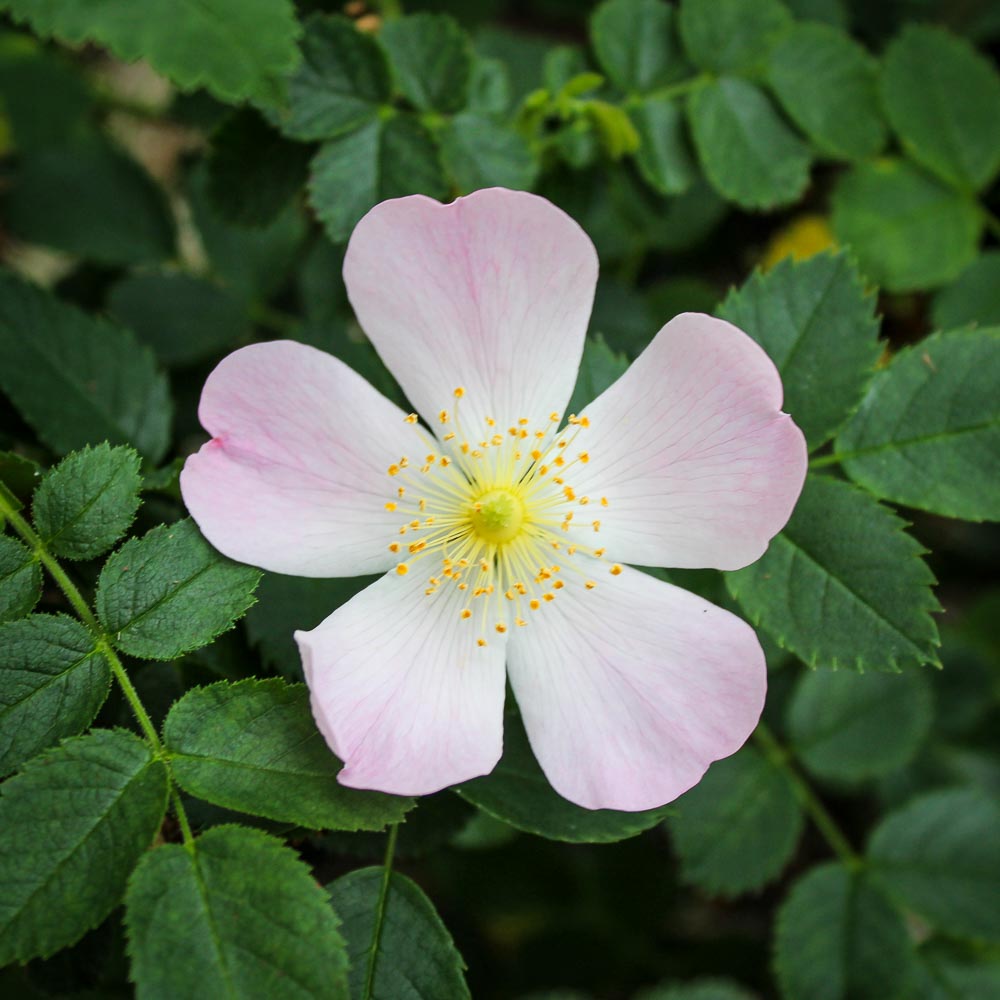
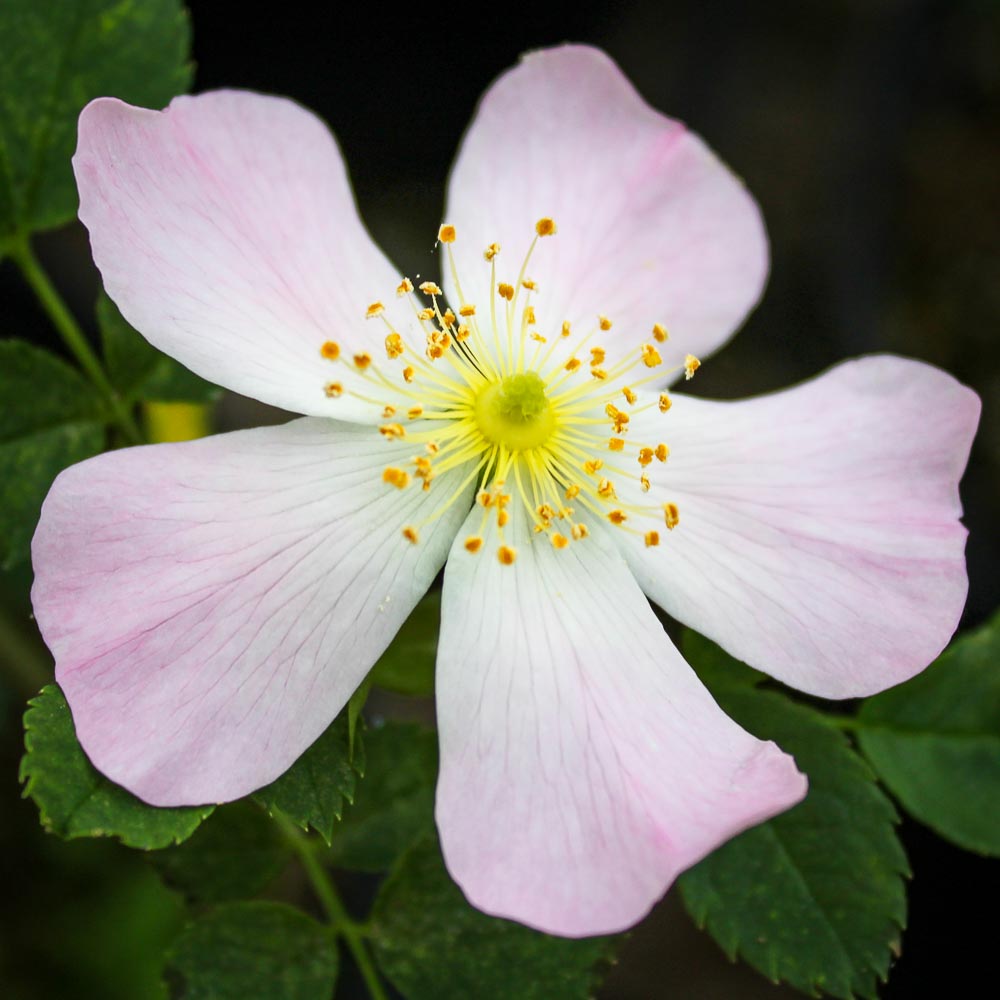
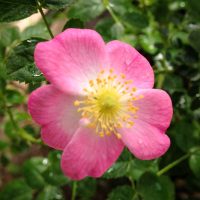
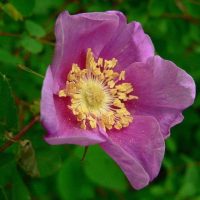
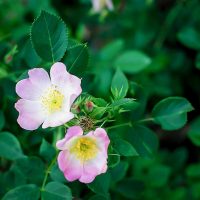
A classic rose often found in old hedgerows across Europe and central Asia. Blooms are pale pink to white and are borne in spring, singly or in clusters of 2 to 5 flowers. It grows as a large shrub with arching canes reaching from 3 to 15 feet, depending on climate. After the petals drop, shiny red hips, high in Vitamin C, are formed which are used to make tea and syrup. It was widely planted during World War II for its nutritional qualities. There are several forms of this rose – ours is nearly thornless. Shade tolerant.
AKA – The Dog Rose
| Hardiness Zone | |
|---|---|
| Height | |
| Width | |
| Bloom Type | |
| Color | |
| Fragrance | |
| Bloom Repeat | |
| ARS Rating | |
| Size |
Species Roses, Thornless Roses
$27.95 Select options This product has multiple variants. The options may be chosen on the product page
Species Roses, Thornless Roses
$27.95 Select options This product has multiple variants. The options may be chosen on the product page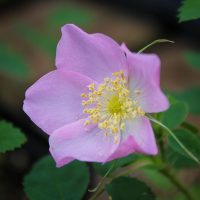
Anne Smith –
Not a review, a comment. My eyebrows shot up, as here in UK these are thorny! You are lucky to have an arm-less one. I pick the hips for use in jelly, and curse as the thorns catch me, but I love to see them flowering in June, and the hips glowing in the winter sun before the birds eat them. You’re right, they were gathered to make rosehip syrup during WWII, but I believe they were simply gathered from hedgerows, many by schoolchildren, doing their bit for the war effort. A child of the sixties, I remember commercial rosehip syrup being around for small children, before it was overtaken by orange juice for vitamin C.